Kudumbar Ethnic Group Leader Cikai Koṟraṉ / Kudumi Koṟraṉ in Egypt's Valley of the Kings! | எகிப்தில் மன்னர்களின் பள்ளத்தாக்கில் குடும்பர் இனக்குழு தலைவன் சிகை கொற்றன் / குடுமி கொற்றன் !
By ranadheerapandiyan07@gmail.com
The discovery of Tamili inscriptions in the tombs located in Egypt's famous ‘Valley of the Kings’ (Valley of the Kings) has caused major shockwaves in the world of historical research.
This discovery is situated in a way that confirms the deep maritime trade connections that existed between ancient Tamilakam and the Roman Empire.
These inscriptions are inscribed in Tamili, Prakrit, and Sanskrit languages. Researchers have estimated that they belong to the period ranging from the 1st century AD to the 3rd century AD.
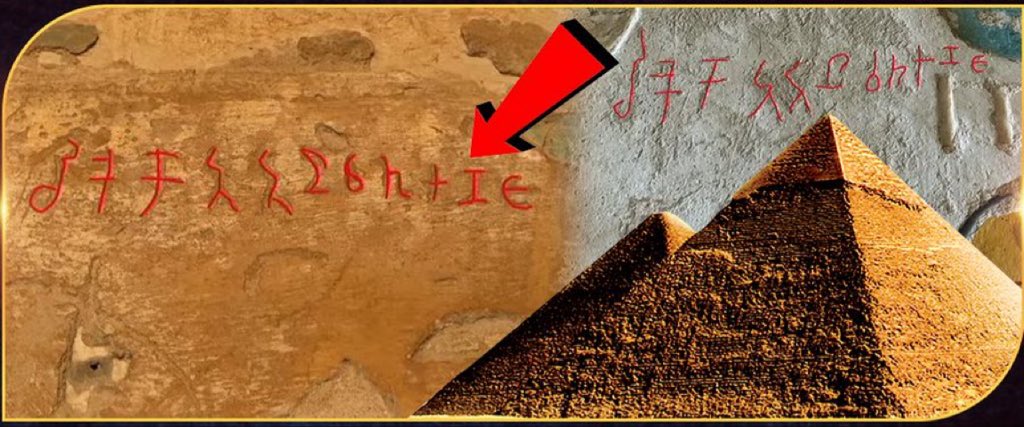
The name that has attracted the most attention in this study is ‘Cikai Koṟraṉ’ (Cikai Koṟraṉ). Researchers have stated that this name has been carved a total of eight times in five different tombs.
Tamili Inscription: 'Cikai Koṟraṉ varā kaṇḍā(ṉ)' 𑀘𑀺𑀓𑁃 𑀓𑁄𑁆𑀶𑁆𑀶𑀷𑁆 𑀯𑀭 𑀓𑀡𑁆𑀝𑀸
This can also be read as 'Cikā Koṟraṉ varā kaṇḍā(ṉ)'.
Explanation : A Tamil person named Cikai Koṟraṉ has recorded his arrival there in Tamili script. His inscriptions are the ones found most frequently in these Egyptian tombs.
'Cikā' in Prakrit means "flame," "peak," "pinnacle," or "mountain top". This denotes light, brightness, and height. The Tamil form of 'Shikha' is 'Kudumi'.
The word Koṟraṉ means victor, leader or king. It is derived from the word 'Koṟṟam' (Victory). Since 'Koṟṟam' means victory, 'Koṟraṉ' denotes a victorious king or warrior.
Therefore, Cikai Koṟraṉ can be interpreted as Kudumi Koṟraṉ, Kudumi Leader, Kudumi King. It is stated that Cikai Koṟraṉ/Kudumi Koṟraṉ visited the Egyptian valley region. It was written because the Kudumi tribal leader was an important person.
This discovery sheds light on how extensive the maritime trade routes were that went from ancient Tamilakam via the Malabar coast to Egypt and Roman Empire regions. Previously, Tamil inscriptions found in the Egyptian Red Sea port city of Berenike had confirmed the trading activities of Tamils. Now, the presence of Tamil footprints up to the Valley of the Kings, the heart of the Nile River Valley, is seen as new evidence that they were not just traders, but also engaged in cultural exchanges. Historians assess this as a significant turning point discovery that prompts a re-examination of Indian Ocean maritime trade history.
This discovery emphasizes the need for new studies regarding the maritime skills of Tamils, their international trade prowess, and their connections with distant civilizations of the world.
Through inscriptions, it can be known that Tamil was spread across ancient India.
It is noteworthy that the Kudumbar (Kudumbin) ethnic group continues to live across India to this day under the names Kudumi, Kudumbi, Kudumbar, Kurmi and Kunbi.
Thus, Cikai Koṟraṉ is a leader of the Kudumi / Kudumbar ethnic group.
Note: The Siga (Chiga) people are an ethnic group in Uganda and Rwanda. The Siga community is known as Kudumi / Kudumbar in India.
எகிப்தின் புகழ்பெற்ற ‘மன்னர்களின் பள்ளத்தாக்கு’ (Valley of the Kings) பகுதியில் அமைந்துள்ள கல்லறைகளில் தமிழீ கல்வெட்டுகள் கண்டறியப்பட்டிருப்பது உலக வரலாற்று ஆய்வுலகில் பெரும் அதிர்வலைகளை ஏற்படுத்தியுள்ளது. பண்டைய தமிழகத்திற்கும் ரோமானியப் பேரரசுக்கும் இடையே நிலவிய ஆழமான கடல் வழி வணிகத் தொடர்புகளை உறுதிப்படுத்தும் வகையில் இந்தக் கண்டுபிடிப்பு அமைந்துள்ளது. இக்கல்வெட்டுகள் தமிழீ, பிராகிருதம் மற்றும் சமஸ்கிருத மொழிகளில் பொறிக்கப்பட்டுள்ளன. ஆய்வாளர்கள் இவை கி.பி. 1ஆம் நூற்றாண்டு முதல் 3ஆம் நூற்றாண்டு வரையிலான காலப்பகுதியைச் சேர்ந்தவை எனக் கணித்துள்ளனர். இந்த ஆய்வில் மிகவும் கவனம் ஈர்த்த பெயராக ‘சிகை கொற்றன்’ (Cikai Koṟraṉ) அமைந்துள்ளது. இந்தப் பெயர் ஐந்து வெவ்வேறு கல்லறைகளில் மொத்தம் எட்டு முறை செதுக்கப்பட்டுள்ளதாக ஆய்வாளர்கள் தெரிவித்துள்ளனர். தமிழி கல்வெட்டு: சிகை கொற்றன் வரா கண்டா(ன்)' 𑀘𑀺𑀓𑁃 𑀓𑁄𑁆𑀶𑁆𑀶𑀷𑁆 𑀯𑀭 𑀓𑀡𑁆𑀝𑀸 இதனை, சிகா கொற்றன் வரா கண்டா(ன்)' என்றும் வாசிக்கலாம். விளக்கம் : சிகை கொற்றன் என்ற தமிழ் நபர் தான் அங்கு வந்ததைப் பற்றி தமிழி எழுத்துகளில் பதிவு செய்திருக்கிறான். இவனது கல்வெட்டுகளே இந்த எகிப்திய கல்லறைகளில் அதிகமாக உள்ளன. சிகா என்பது பிராகிருதத்தில் "சுடர்," "சிகரம்," "உச்சி," அல்லது "மலை உச்சி". இது ஒளி, பிரகாசம் மற்றும் உயரத்தைக் குறிக்கிறது. ஷிகா என்பதன் தமிழ் வடிவம் குடுமி என்பதாகும். கொற்றன் என்ற சொல்லுக்கு வெற்றி பெற்றவன், தலைவன் அல்லது அரசன் என்று பொருள்.'கொற்றம்' (வெற்றி) என்ற வார்த்தையிலிருந்து உருவானது.கொற்றம் என்பது வெற்றி என்பதால், கொற்றன் என்பது வெற்றி வேந்தன் அல்லது வீரன் என்பதைக் குறிக்கும். எனவே, சிகா கொற்றன் என்பவரை குடுமி கொற்றன், குடுமி தலைவன், குடுமி அரசன் என்றும் பொருள் கொள்ளலாம். எகிப்திய பள்ளத்தாக்கு பகுதிக்கு சிகை கொற்றன்/குடுமி கொற்றன் வருகை தந்துள்ளது கூறப்பட்டுள்ளது. குடுமி இனக்குழு தலைவன் முக்கியமான நபர் என்பதால் எழுதப்பட்டுள்ளது. இந்தக் கண்டுபிடிப்பு மலபார் கடற்கரை வழியாகப் பண்டைய தமிழகத்திலிருந்து எகிப்து மற்றும் ரோமானியப் பேரரசு பகுதிகளுக்குச் சென்ற கடல் வணிகப் பாதைகள் எவ்வளவு விரிவடைந்திருந்தன என்பதை வெளிச்சமிட்டு காட்டுகிறது. முன்னதாக எகிப்தின் செங்கடல் துறைமுக நகரமான பெரெனிகேவில் கண்டறியப்பட்ட தமிழ் கல்வெட்டுகள் தமிழர்களின் வர்த்தகச் செயல்பாடுகளை உறுதிப்படுத்தியிருந்தன. தற்போது நைல் நதிப் பள்ளத்தாக்கின் மையப்பகுதியான மன்னர்களின் பள்ளத்தாக்கு வரை தமிழர்களின் தடம் இருப்பது, அவர்கள் வெறும் வணிகர்கள் மட்டுமல்லாது, கலாச்சாரத் தொடர்புகளிலும் ஈடுபட்டிருந்தனர் என்பதற்கான புதிய சான்றாகப் பார்க்கப்படுகிறது. இது இந்தியப் பெருங்கடல் கடல் வணிக வரலாற்றை மறுபரிசீலனை செய்யத் தூண்டும் முக்கியமான திருப்புமுனைக் கண்டுபிடிப்பாக வரலாற்றாசிரியர்கள் மதிப்பிடுகின்றனர். தமிழர்களின் கடல் திறன், சர்வதேச வணிகத் திறமை மற்றும் உலகின் தொலைதூர நாகரிகங்களுடனான அவர்களின் தொடர்புகள் குறித்து புதிய ஆய்வுகள் மேற்கொள்ளப்பட வேண்டிய அவசியத்தை இந்தக் கண்டுபிடிப்பு வலியுறுத்துகிறது. பண்டைய இந்தியா முழுவதும் தமிழ் பரவியிருந்தது என்பதை கல்வெட்டுகள் மூலம் அறியமுடிகிறது. இந்தியா முழுவதும் குடும்பர் (குடும்பின்) இனக்குழுவினர் குடுமி,குடும்பி,குடும்பர் ,குர்மி மற்றும் குன்பி என்ற பெயர்களில் இன்று வரை வாழ்ந்துவருவது குறிப்பிடத்தக்கது ஆகும். ஆக, சிகா கொற்றன் என்பவர் குடுமி / குடும்பர் இனக்குழு தலைவன் ஆவார். குறிப்பு : சிகா மக்கள் உகாண்டா மற்றும் ருவாண்டாவின் ஒரு இனக்குழு ஆவார்கள்.சிகா சமூகம் இந்தியாவில் குடுமி / குடும்பர் என்று அறியப்படுகின்றனர்.